Category: Uncategorized

  • A Better Vehicle Wash: Simple Habits for a Brighter Finish

    A Better Vehicle Wash: Simple Habits for a Brighter Finish

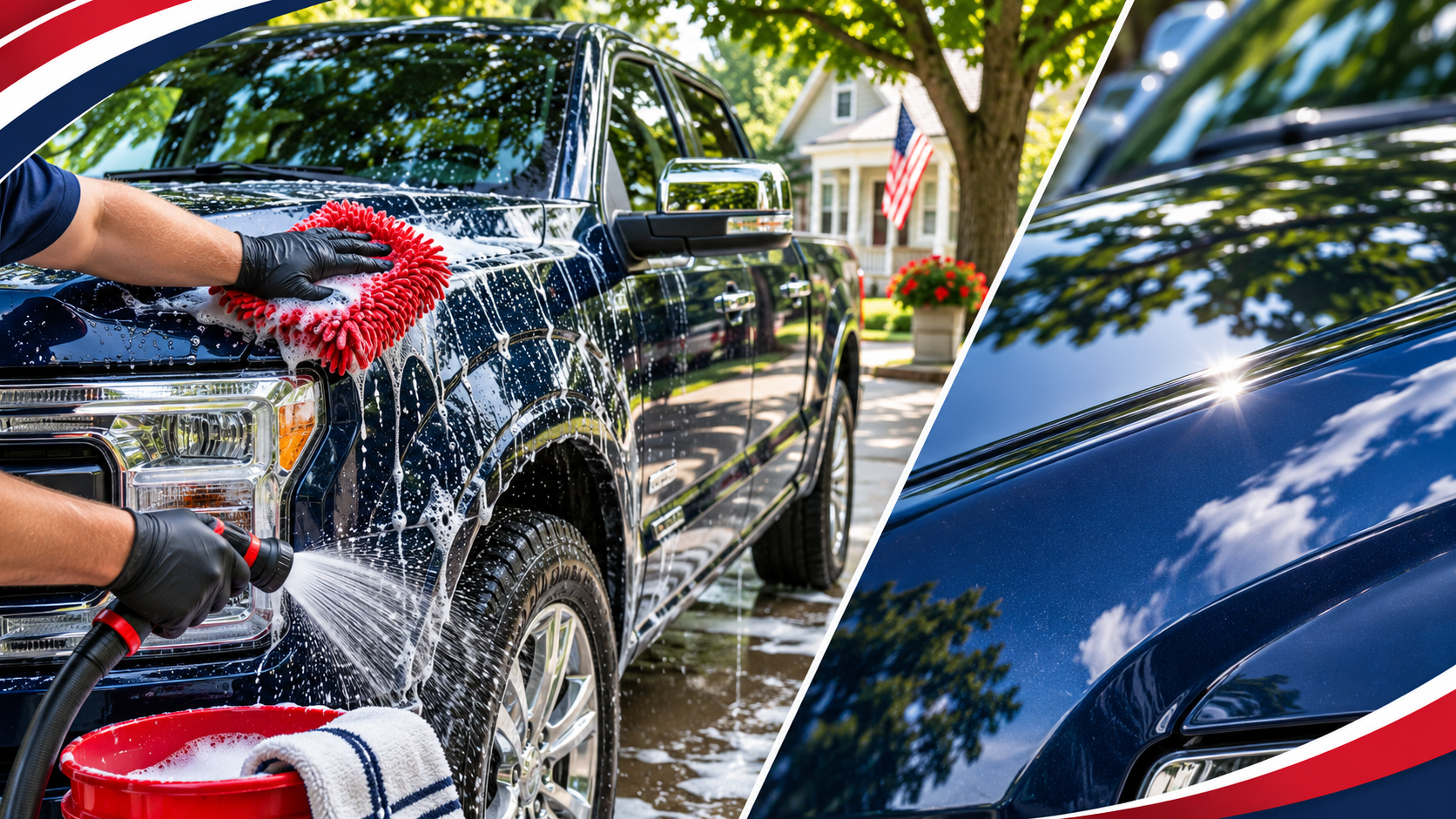
    There’s something satisfying about seeing a vehicle’s finish come back to life. A careful wash is more than a quick spray: the order of the steps and the tools you choose can help reduce the chance of dragging grit across the paint.

    Here are a few practical habits for a thoughtful vehicle wash—whether you’re caring for a daily driver, a work truck, or a family vehicle.

    Start with the conditions

    Whenever possible, work in the shade and let the vehicle’s surface cool first. Sun and hot panels can make water dry quickly and leave spots. Before touching the paint with a mitt or towel, rinse away loose dust and grit.

    Use vehicle-care products and clean tools

    Choose a wash product made for automotive finishes and follow its label directions. Meguiar’s car-wash guidance recommends pre-rinsing, washing one section at a time with a wash mitt, rinsing thoroughly, and drying with a microfiber towel. The manufacturer also advises against using household dish soap for routine car washing because its degreasers can remove wax protection over time. Read its vehicle-washing FAQ for more detail.

    Keep separate, clean microfiber towels for paint, glass, wheels, and lower body panels. If a towel or mitt picks up visible grit, set it aside and switch to a clean one. Check your vehicle’s owner’s manual and any finish or accessory-care instructions before cleaning sensitive trim, wraps, coatings, or specialty finishes.

    A simple wash sequence

    • Park in shade and make sure the vehicle is cool to the touch.
    • Rinse loose dirt from the vehicle before contact washing.
    • Wash from cleaner upper panels toward dirtier lower areas, one section at a time.
    • Rinse thoroughly, then dry with a clean microfiber towel.
    • Clean wheels and tires with separate tools so road grime stays away from painted surfaces.

    Careful cleaning starts with a plan

    Every vehicle and finish is a little different, so the safest approach is to follow the manufacturer’s instructions and use products intended for the surface. These small habits can make routine washing more consistent and help keep your tools from transferring grit where you don’t want it.

    United We Shine plans to offer vehicle washing and detailing along with house and siding washing, roof washing for eligible materials, window washing with Tucker reverse-osmosis purified water, concrete cleaning, and truck and fleet washing. Our full-service launch is planned for Spring 2027; online booking is coming soon.

    Source

    Meguiar’s, Washes: Questions & Answers (manufacturer guidance; accessed November 11, 2026).

  • Fleet Washing: A Clean Truck Starts with a Responsible Wash Plan

    Fleet Washing: A Clean Truck Starts with a Responsible Wash Plan

    A clean, well-presented fleet makes a strong impression—but a good wash plan has to protect the vehicles, the crew, and the water around the work area. Here are practical points fleet managers and truck owners can consider before the next wash day.

    Plan the wash area before the water starts

    Truck and equipment wash water can pick up road grit, detergents, oils, grease, and metals from the vehicle and pavement. The U.S. EPA’s municipal vehicle and equipment washing guidance explains that these pollutants can affect stormwater when wash water is allowed to flow untreated into drains or nearby waterways. Before washing, locate storm drains and decide how the water will be contained, collected, or otherwise managed under local requirements. Don’t assume a curb or parking-lot drain is an approved place for wash water.

    For a fleet operation, choose a suitable wash area, check where the ground slopes, and make sure hoses and recovery equipment won’t create trip hazards or block traffic. If you manage several vehicles, a simple written wash-day checklist can help crews follow the same setup each time.

    Give each vehicle a quick walk-around

    Before cleaning, look for loose trim, damaged decals, cracked lights, exposed wiring, or existing fluid leaks. Note anything that needs attention and follow the vehicle and equipment manufacturers’ instructions for cleaning. Different finishes, decals, cameras, seals, and components may call for different care. A pressure washer setting that works on one surface may be too aggressive for another, so use a controlled approach and test cautiously where appropriate.

    Keep safety in the routine

    High-pressure spray is powerful enough to cause serious injuries. The CDC’s pressure-washer safety guidance, updated August 26, 2026, warns that a spray wound may look minor at first and still need prompt medical attention. Keep the spray pointed away from people, secure the work area, and follow the washer’s owner manual and safety instructions.

    If the washer uses a gasoline engine, operate it outdoors and at least 20 feet from doors, windows, and vents, as the CDC advises, to reduce carbon monoxide exposure. Never run a gasoline-powered washer inside a garage or other enclosed or partly enclosed space.

    A practical fleet-wash checklist

    • Choose a safe, level work area with room for vehicles, hoses, and crew movement.
    • Locate nearby storm drains and plan wash-water management before starting.
    • Check each vehicle for leaks or damage that could affect the cleaning plan.
    • Follow the washer and vehicle manufacturers’ instructions for the surfaces and equipment being cleaned.
    • Keep bystanders clear, wear appropriate protective equipment, and never point the spray at a person.
    • Use a repeatable checklist so the team can prepare consistently across the fleet.

    Looking ahead to Spring 2027

    United We Shine is preparing to offer truck and fleet washing along with house siding and soft washing, roof care, window washing, concrete and driveway cleaning, and vehicle detailing. Our full-service launch is planned for Spring 2027, and online booking is coming soon. To leave a message or ask about a future estimate, visit our estimate and contact form.

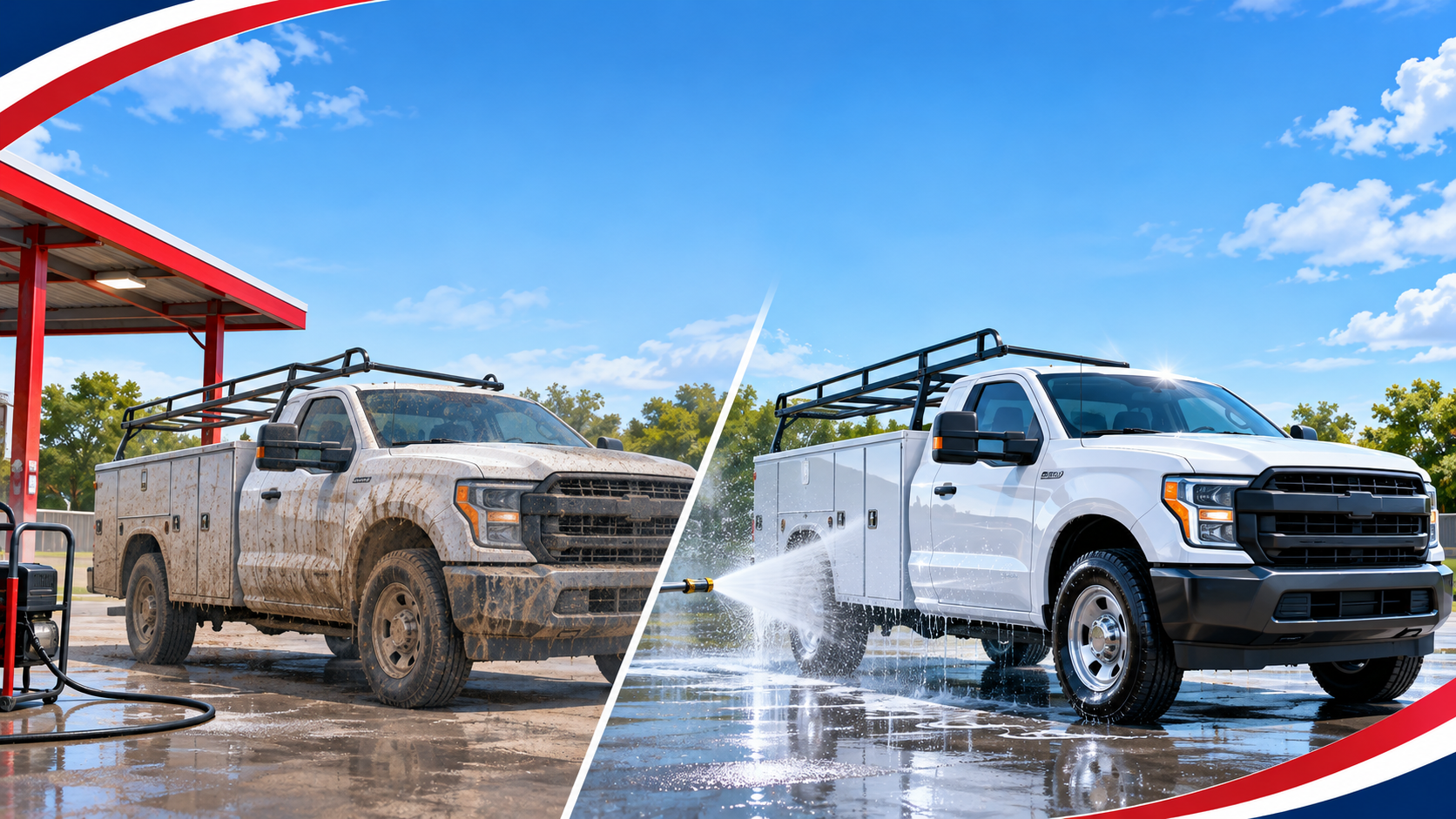
    Illustrative image: the featured before-and-after-style truck graphic is an AI-generated concept, not a completed United We Shine customer job.

    — Robert E. Allen Jr.

    Sources

  • Roof Care Starts with the Right Approach

    Roof Care Starts with the Right Approach

    Dark streaks on a roof can be unsettling, but the right first step is identification—not a pressure washer. Roof materials and stains differ, and an aggressive cleaning method can cause damage. Here are a few practical ways to think about roof care before you book or begin a cleaning project.

    What are those dark streaks?

    Dark streaks on asphalt shingles may be algae discoloration. The Asphalt Roofing Manufacturers Association (ARMA), in a technical bulletin revised June 2024, notes that algae discoloration can look like soot, dirt, moss, or tree droppings. Moss and debris are different conditions, so a visual check from the ground may not tell the whole story. If you are unsure what you are seeing, ask a roofing professional to assess it.

    Why pressure washing is the wrong choice for asphalt shingles

    ARMA advises against using a power washer on asphalt shingles because high-pressure washing can damage the roofing surface. GAF gives the same warning in its technical bulletin on blue-green algae staining: power-washing can dislodge protective granules. For asphalt shingles, don’t assume a method used on concrete or siding is appropriate for the roof.

    Cleaning guidance can differ by shingle product and manufacturer. Before any treatment, identify the roofing material and check the manufacturer’s current instructions. ARMA says other chemicals or methods should not be used on asphalt roofing without the shingle manufacturer’s approval. Avoid improvised mixes and follow product labels exactly.

    Roof access and safety come first

    Wet roofs can become dangerously slippery. ARMA recommends trained professionals for roof cleaning and notes that ladder or walkway methods can reduce direct contact with the roof surface where appropriate. OSHA’s residential-roof guidance says employers must use fall-protection systems at unprotected roof edges four feet or more above a lower level, subject to the applicable rule and conditions. Homeowners should not climb onto a roof to inspect or clean it if they lack the training and safety equipment.

    A homeowner’s roof-care checklist

    • Look from the ground for streaks, moss, missing shingles, sagging, and debris.
    • Keep gutters clear from a safe position or hire a qualified professional.
    • Trim back branches only when it can be done safely; avoid roof access for routine inspection.
    • Ask what the roof material is and what the manufacturer recommends before authorizing a cleaning method.
    • Confirm how the contractor plans to protect nearby landscaping and manage runoff.
    • Never accept pressure washing as the default treatment for asphalt shingles.

    Good roof care is careful roof care

    Every roof is different. A careful assessment, manufacturer-based guidance, and a safe work plan matter more than a one-size-fits-all cleaning recipe. The goal is to address the concern while respecting the roofing material and keeping people safe.

    Looking ahead to Spring 2027

    United We Shine is preparing to offer roof care along with house siding and soft washing, concrete and driveway cleaning, fleet and truck washing, vehicle detailing, and window washing. Our full-service launch is planned for Spring 2027, and online booking is coming soon. To leave a message or ask about a future estimate, visit our estimate and contact form.

    Thanks for following our launch journey. We’ll keep sharing practical exterior-care information as we get ready to serve the community.

    — Robert E. Allen Jr.

    Sources

  • A Cleaner Driveway Starts with a Smart Plan

    A Cleaner Driveway Starts with a Smart Plan

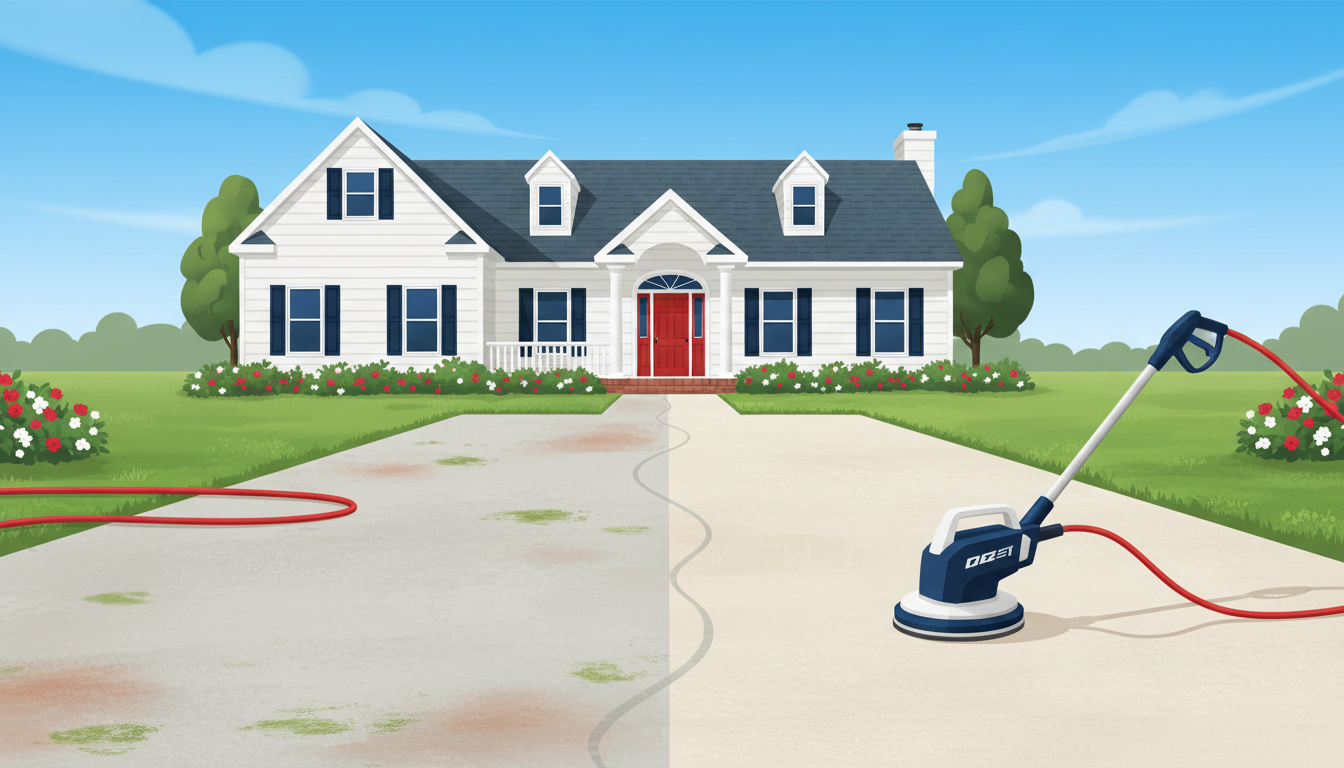
    A clean driveway can make the whole front of a home feel more welcoming. Good results start before the washer is switched on: understand the surface, plan where the water will go, and use equipment carefully. Here’s a practical homeowner’s guide to getting ready for concrete cleaning as we prepare for United We Shine’s full-service launch in Spring 2027.

    Start with a quick surface check

    Concrete is durable, but not every driveway is in the same condition. Look for loose or crumbling areas, cracks, flaking, exposed aggregate, oil spots, and places where water already pools. Older repairs and decorative finishes may respond differently from sound, plain concrete. If you’re unsure how a surface will react, ask a qualified cleaning professional to assess it before work begins.

    Plan the water’s path before cleaning

    Driveway wash water can carry sediment and other residue. Before starting, identify nearby storm drains, street gutters, landscaped areas, and low spots. EPA’s Stormwater Best Management Practice for Municipal Vehicle and Equipment Washing (November 2021) recommends containing, treating, or reusing wash water in the settings it covers, and says operators should consider local requirements. It also advises against direct discharge of wash water to storm drains. Rules can vary by location and job, so check with the local sewer or stormwater authority when you’re unsure how runoff must be handled.

    For a home project, a useful first step is simply to map the runoff path and keep wash water away from storm drains and neighboring property. Don’t assume a drain leads to a treatment plant; storm drains commonly carry water toward local waterways. If a project involves detergents, oily residue, or substantial runoff, get local guidance on containment and disposal before work starts.

    Use a method suited to the surface

    More pressure is not automatically better. A concentrated stream or an unsuitable setting can scar concrete, disturb joints, or leave uneven marks. Follow the pressure-washer and attachment manufacturers’ directions, use the appropriate nozzle and working distance, and test a small inconspicuous area first. A surface-cleaner attachment can help make passes more consistent when used as directed; keep a steady pace and avoid stopping in one place.

    Start with a dry inspection and remove loose leaves, branches, and other debris by sweeping. This makes it easier to see the concrete and reduces material being pushed around by the water. If a stain needs additional treatment, use only a product labeled for the surface and follow its label, including any precautions for nearby plants, people, and pets. Never mix cleaning products.

    Keep people and property out of the work zone

    High-pressure water can injure people and damage property. Read the equipment manual, wear the protective equipment it calls for, inspect hoses and connections, and keep the spray away from people, pets, vehicles, windows, and fragile surfaces. Secure the area so nobody walks through while it’s wet. Work only when footing and weather are safe; cool temperatures can make wet concrete slippery and may create freezing hazards.

    A driveway-cleaning prep list

    • Inspect the concrete for cracks, loose material, coatings, or past repairs.
    • Find nearby drains and decide how runoff will be managed.
    • Check local stormwater and sewer guidance if wash water may reach a drain.
    • Clear loose debris and protect nearby items that could be affected by spray.
    • Follow the equipment and product labels; test a small area before proceeding.
    • Keep people clear of the area until the surface is no longer slick.

    Getting ready for Spring 2027

    United We Shine is preparing to offer concrete and driveway cleaning along with house siding and soft washing, roof care, fleet and truck washing, vehicle detailing, and window washing. Our planned full-service launch is Spring 2027, and online booking is coming soon. You can visit our estimate and contact form to leave a message while we get ready.

    With a little planning, driveway cleaning can be approached thoughtfully—from choosing a method that suits the surface to keeping wash water where it belongs. We look forward to sharing more practical exterior-care tips as launch gets closer.

    — Robert E. Allen Jr.

    Source

    U.S. Environmental Protection Agency, Stormwater Best Management Practice: Municipal Vehicle and Equipment Washing, November 2021. The document addresses municipal facilities; local requirements may differ for residential work.

  • Cold Weather, Clean Equipment: A Fall Checklist for Exterior Cleaning

    Cold Weather, Clean Equipment: A Fall Checklist for Exterior Cleaning

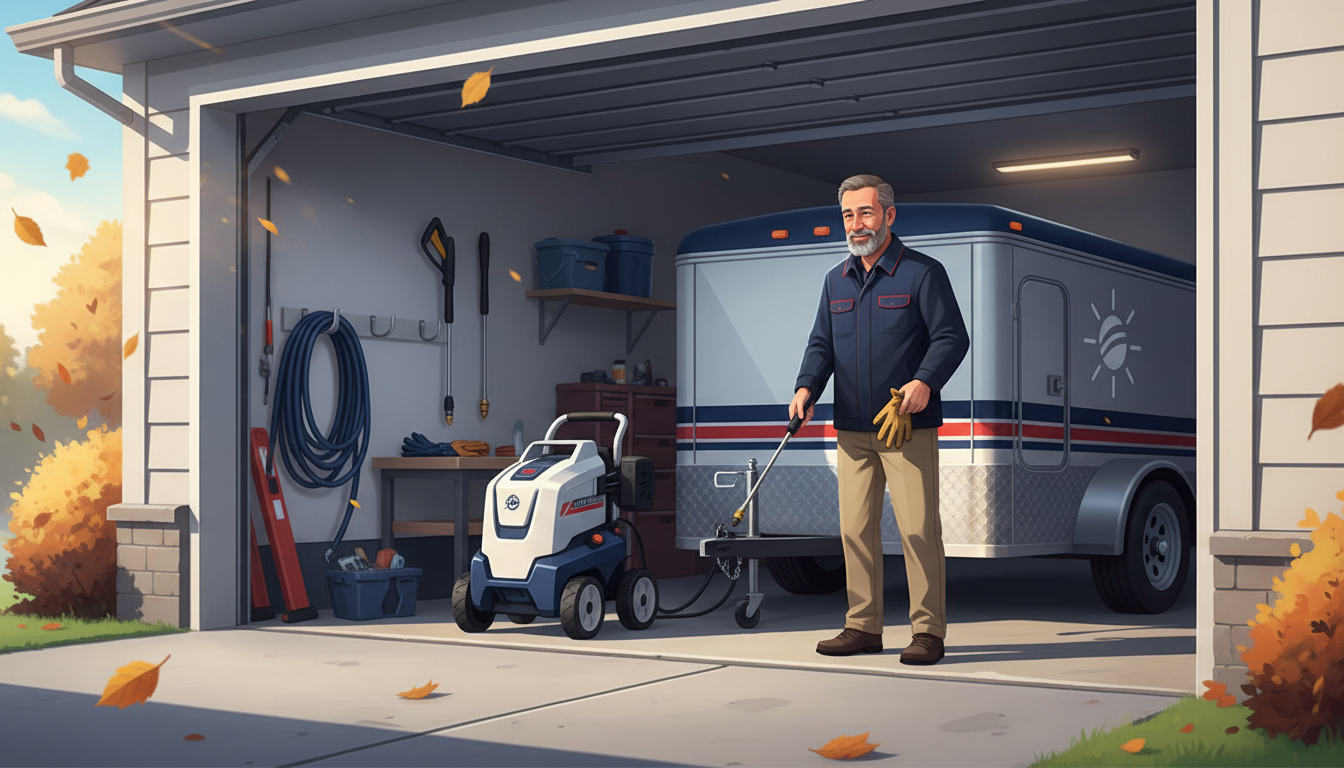
    Fall is a smart time to get exterior-cleaning equipment ready for the colder months. A little careful planning can help protect a pressure washer in storage and help crews recognize when outdoor work conditions are becoming unsafe. Here’s a practical checklist for homeowners and cleaning professionals as we prepare for United We Shine’s planned full-service launch in Spring 2027.

    1. Start with the equipment manual

    Pressure washers differ by model, pump, engine, and power source. Before storing one, locate the owner’s manual and follow the maker’s directions for that exact machine. Simpson’s manufacturer guidance, published October 9, 2024, recommends consulting the manual and preparing the engine and pump according to the equipment maker’s instructions. That matters because trapped water can freeze and expand, potentially damaging pump components. Read Simpson’s storage guidance and check your own manual for the steps that apply.

    2. Shut down and relieve pressure safely

    When the manual says the machine is ready to shut down, turn it off and relieve pressure before disconnecting accessories. Simpson’s November 3, 2021 winterizing article describes turning the engine off, disconnecting and draining hoses, and squeezing the trigger to release remaining pressure. Treat that as manufacturer guidance for the equipment it covers—not a substitute for your own model’s instructions. See the dated Simpson winterizing article.

    3. Protect the pump, engine, and accessories as directed

    • Use a pump-protection product only if the manufacturer recommends it, and follow the product and machine directions.
    • Follow the engine maker’s fuel and maintenance guidance, including whether fuel stabilizer is appropriate for your model and storage period.
    • Inspect hoses, fittings, spray guns, and cords for wear or damage before putting them away.
    • Store equipment clean and dry, in a location appropriate for its power source. Keep gasoline-powered equipment away from flames and use only well-ventilated storage areas.

    Don’t assume one storage procedure or chemical is right for every washer. The manufacturer’s instructions should guide each step.

    4. Take cold and wet conditions seriously

    Exterior washing puts water on walkways, driveways, ladders, and other work areas. As temperatures approach freezing, that water can create slippery surfaces or ice. Plan around the forecast, keep people away from wet work zones, and postpone work when runoff may freeze or footing cannot be kept safe.

    Cold-weather work can also become a health risk, especially when clothing or gloves stay wet. OSHA’s Cold Stress Guide recommends practical precautions such as staying dry, wearing appropriate layers, taking warm-up breaks, and monitoring workers for signs of cold stress. OSHA also provides winter-weather preparedness guidance for employers. Review the current guidance and adapt work plans to actual conditions.

    5. Use the off-season to plan exterior care

    Cold weather is a good time to note areas that may need attention when conditions are suitable: siding with visible buildup, roof areas that need a professional assessment, stained concrete, or windows that could benefit from a gentle cleaning approach. Different surfaces call for different methods. Avoid experimenting with high pressure on delicate materials, and ask a qualified professional about the process that fits the surface.

    For roof work in particular, safety and weather conditions come first. A wet, icy, or windy roof is not a good place to rush a cleaning project. If you are unsure about safe access or the right cleaning method, leave the assessment to a professional.

    A simple seasonal checklist

    • Find the equipment manual and identify the washer model.
    • Choose a dry, appropriate storage location before cold weather arrives.
    • Follow the maker’s shutdown, pressure-relief, pump, and engine-storage instructions.
    • Inspect accessories and note repairs needed before the next season.
    • Check weather and surface conditions before any outdoor washing.
    • Keep people clear of wet areas and stop if cold, wind, or footing makes the work unsafe.

    Looking ahead to Spring 2027

    At United We Shine, we’re getting ready to serve our community with exterior cleaning, including house siding and soft washing, roof care, concrete and driveway cleaning, fleet and truck washing, vehicle detailing, and window washing. Our full-service launch is planned for Spring 2027, and online booking is coming soon. Until then, you can visit our estimate and contact form to leave a message or get started.

    Thanks for following along as we prepare. A careful start to the season begins with good planning, the right instructions, and safety at every step.

    — Robert E. Allen Jr.

    Sources

  • The Right Wash for Every Surface: A Homeowner’s Guide to Exterior Cleaning

    The Right Wash for Every Surface: A Homeowner’s Guide to Exterior Cleaning

    A clean exterior can make a home or business feel cared for, but good cleaning is about more than turning up the pressure. Different materials respond to different methods. As we prepare to serve Muskogee in Spring 2027, here’s how we think about matching the cleaning approach to the surface.

    I’m Robert E. Allen Jr., co-owner of United We Shine Wash Company with Steve Stacks. Our goal is simple: understand what needs cleaning, choose a careful method, and treat the property with respect. These basics can also help you ask better questions when comparing exterior-cleaning services.

    There isn’t one setting for every surface

    Concrete, painted trim, vinyl siding, roofing, glass, and vehicle finishes are not interchangeable. A sound plan starts with the material and its condition, not with a pressure-washer setting. Before work begins, a cleaner should look for loose paint, cracked mortar, damaged seals, fragile landscaping, electrical hazards, and places where rinse water could run.

    That assessment helps determine whether a job calls for a low-pressure rinse, a soft-wash approach, a brush and purified water, a surface-cleaning tool, or another method. It also gives the property owner a chance to point out known concerns before equipment is started.

    Siding and building exteriors: clean with the material in mind

    Exterior walls often include multiple materials and details: siding, trim, lights, vents, window seals, and landscaping. A careful wash plan accounts for all of them. Lower-pressure techniques may be appropriate for many siding jobs, while the cleaner still needs to control spray direction and protect openings and nearby plants.

    Ask how the contractor plans to handle delicate areas and what preparation is needed. If a section is already loose, cracked, or failing, cleaning may reveal the existing condition rather than repair it. A clear conversation up front helps set realistic expectations.

    Roof washing: start with roof type and condition

    A roof should never be treated like a concrete driveway. Roofing materials, age, pitch, access, and visible buildup all matter. A contractor should identify the roof type and explain the proposed approach before starting. For suitable roofing materials, a soft-wash method may be considered; the right choice depends on the specific roof and site conditions.

    Be cautious of anyone who promises the same aggressive process for every roof. Ask how they’ll manage runoff, protect plants, and work safely around edges, skylights, and other roof features. If access or conditions are unsafe, the job should be reassessed rather than rushed.

    Window washing: purified water and a gentle touch

    Glass needs a different approach from concrete. For our window-washing service, we use a Tucker reverse-osmosis water-filtration system with a water-fed pole and soft brush. The system filters the water used for rinsing, and the pole lets us clean suitable glass without directing a high-pressure jet at the pane. We’ll check the window, frame, screens, and access before recommending a method.

    It’s a gentle, practical way to handle appropriate exterior windows while keeping the work focused on the glass and surrounding details. Tucker offers dedicated water-fed poles and RO/DI purification systems; the exact setup used on a job depends on the window and site.

    Concrete: pay attention to condition and runoff

    Driveways, walks, and patios can collect dirt and organic buildup, but concrete can also have cracks, worn areas, coatings, or previous repairs. A professional should inspect the surface, choose an appropriate technique, and consider where water will travel. A small test area can help reveal how the surface responds before cleaning a larger section.

    Runoff deserves attention. The U.S. Environmental Protection Agency’s vehicle-washing best-practice guide advises preventing untreated wash water from entering storm drains or surface waters and describes routing it to treatment, proper disposal, or a sanitary sewer when applicable. Requirements vary by site and local rules, so don’t assume a storm drain and sanitary sewer are the same thing.

    Vehicles and fleets: plan the wash area

    For cars, work trucks, trailers, and fleets, a good cleaning plan considers the finish, decals, equipment, leaks, and the location where water will drain. The EPA guide recommends designated wash areas and preventing untreated vehicle wash water from commingling with stormwater. On a commercial property, the facility’s drainage plan and site rules matter just as much as the equipment.

    For a fleet, it also helps to decide which vehicles are included, where they can be staged, how access will be managed, and whether the schedule should minimize interruptions. A little coordination makes the service smoother for both the business and the crew.

    Safety is part of the cleaning method

    High-pressure water can injure people, damage surfaces, and make hoses difficult to control. OSHA’s high-pressure cleaning guidance identifies hazards from water streams, uncontrolled hoses, and equipment leaks, and calls for appropriate protective equipment and inspection of hoses and connections. For every job, keep bystanders away from the work area and follow the equipment manufacturer’s instructions.

    • Inspect hoses, fittings, and equipment before use.
    • Keep people, pets, vehicles, and open windows clear of the active work area.
    • Use a method suited to the surface instead of defaulting to maximum pressure.
    • Plan where rinse water will go before washing begins.
    • Pause and reassess if the surface or conditions differ from what was expected.

    Questions worth asking before you hire

    • How will you choose the cleaning method for this material?
    • What will you do to protect windows, trim, landscaping, and nearby property?
    • Where will the wash water drain, and do site or local requirements apply?
    • What conditions could change the result or the plan?
    • How will the crew secure the work area and inspect its equipment?

    Clear answers help you understand the scope before the work starts. A responsible cleaner should be comfortable explaining the plan in everyday language and adjusting it when the surface calls for care.

    Getting ready for Spring 2027

    United We Shine plans to be in full service in Spring 2027, offering mobile exterior cleaning for homes, windows, roofs, vehicles, fleets, and suitable concrete surfaces in Muskogee and nearby communities. Online booking is coming soon. Until then, you can use our Get Started & Online Forms page to tell us what you’d like cleaned.

    We’re excited to bring a careful, surface-aware approach to the community. From Grime to Shine—Every Time.

    — Robert E. Allen Jr.
    Co-owner, United We Shine Wash Company

    Helpful references
  • Welcome to United We Shine Wash Company!

    Welcome to United We Shine Wash Company!

    Red, white, and blue ticker-tape streamers and confetti celebrate a freshly washed home exterior.
    Celebrating the launch of United We Shine Wash Company.

    I’m excited to welcome you to United We Shine Wash Company—a new exterior-cleaning business serving Muskogee and nearby communities.

    I’m Robert E. Allen Jr., and I’m building this business with my partner, Steve Stacks. I also own SPARK Services, and Steve is a successful business owner. We’re bringing that owner-led mindset to a local service company with a simple promise: From Grime to Shine—Every Time.

    Our work will be mobile, so we come to your home, business, or fleet location. We’re preparing to offer careful, professional cleaning matched to the surface—not a one-setting-fits-everything approach.

    Services we plan to offer

    United We Shine is preparing to provide:

    • House and building washing for siding, trim, and suitable exterior surfaces
    • Window washing using a gentle purified-water approach
    • Roof washing, including soft-wash approaches for eligible roofing materials
    • Vehicle washing and detailing for cars and pickups
    • Large truck, trailer, and fleet washing for commercial vehicles
    • Concrete cleaning for suitable driveways, walkways, patios, and other hard surfaces
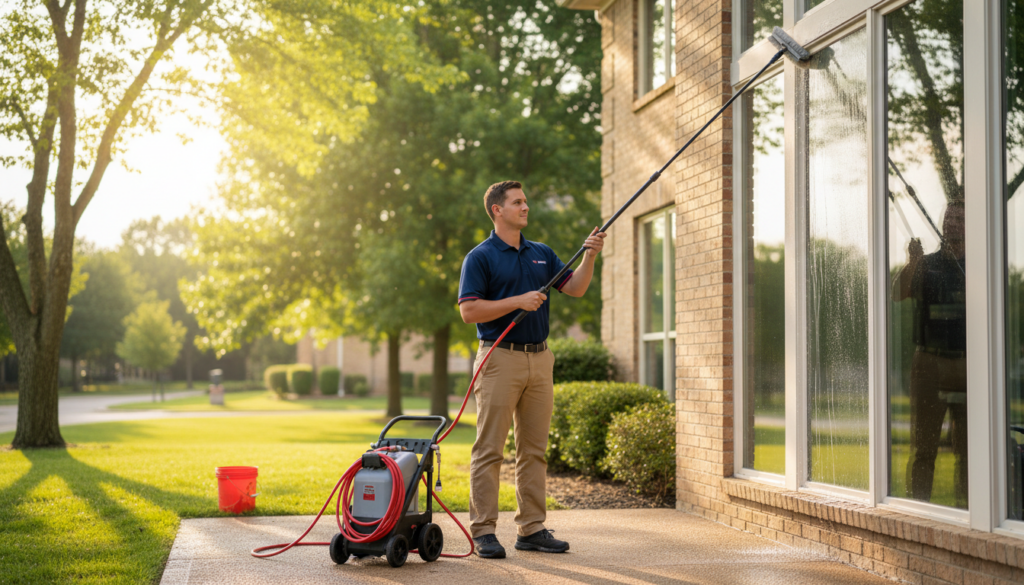
    Window cleaner using a water-fed pole and purified-water filtration system to gently wash home windows.
    Illustrative window-washing image; not a completed United We Shine customer job.

    For suitable windows, we use a Tucker reverse-osmosis (RO) water filtration system. Its purified water is applied with a soft water-fed brush for gentle glass cleaning, without blasting the panes with high pressure. We’ll check the glass, frames, and access before recommending service.

    We’ll review each project’s surface, condition, and access so we can recommend an appropriate service and provide a clear estimate.

    Online booking is coming soon

    We’re working toward online booking to make requesting service simple. Online bookings will be available soon. Our plan is to be in full service in Spring 2027.

    Until then, you can visit our Get Started & Online Forms page to send us an estimate request and tell us what you’d like cleaned. We’re looking forward to meeting our neighbors and helping properties around Muskogee shine.

    Thank you for welcoming us. We can’t wait to get started.

    — Robert E. Allen Jr.
    Co-owner, United We Shine Wash Company